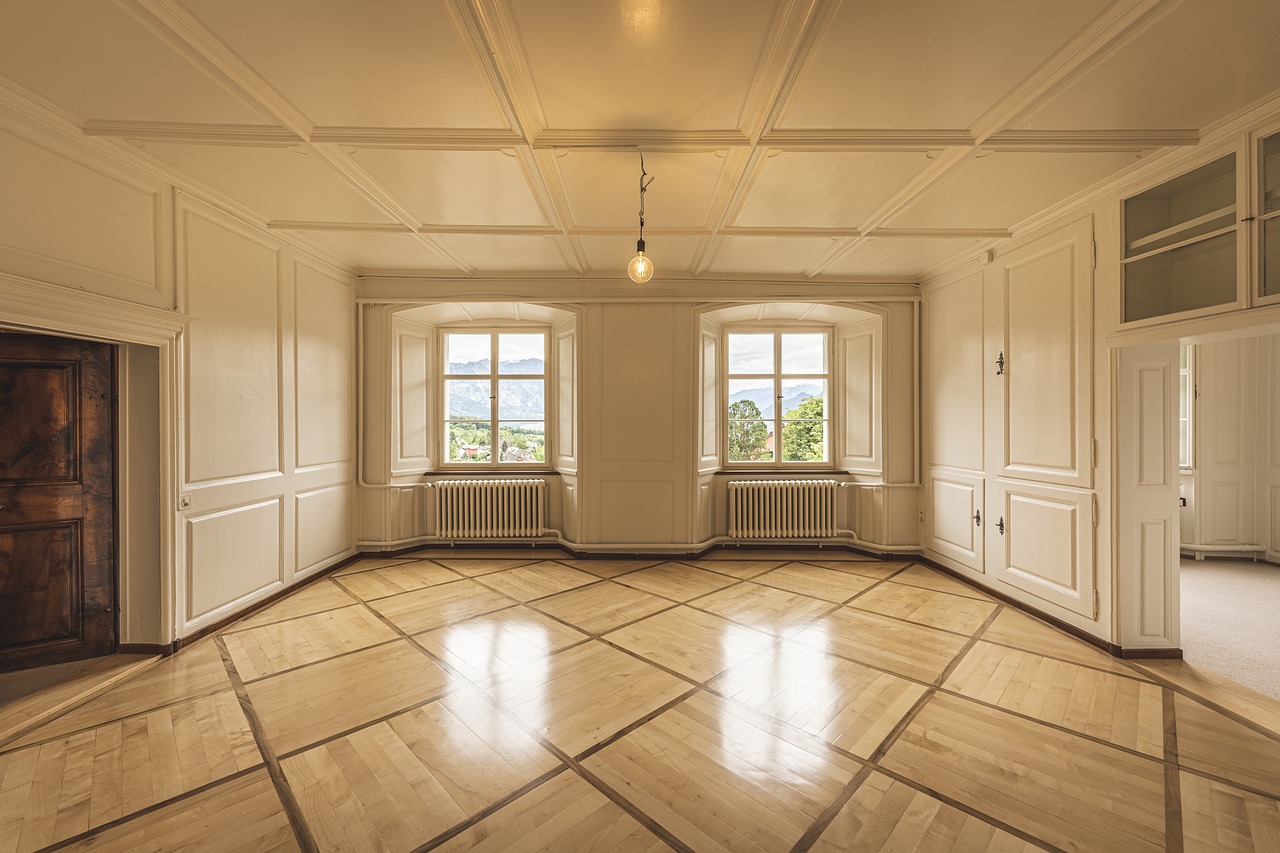

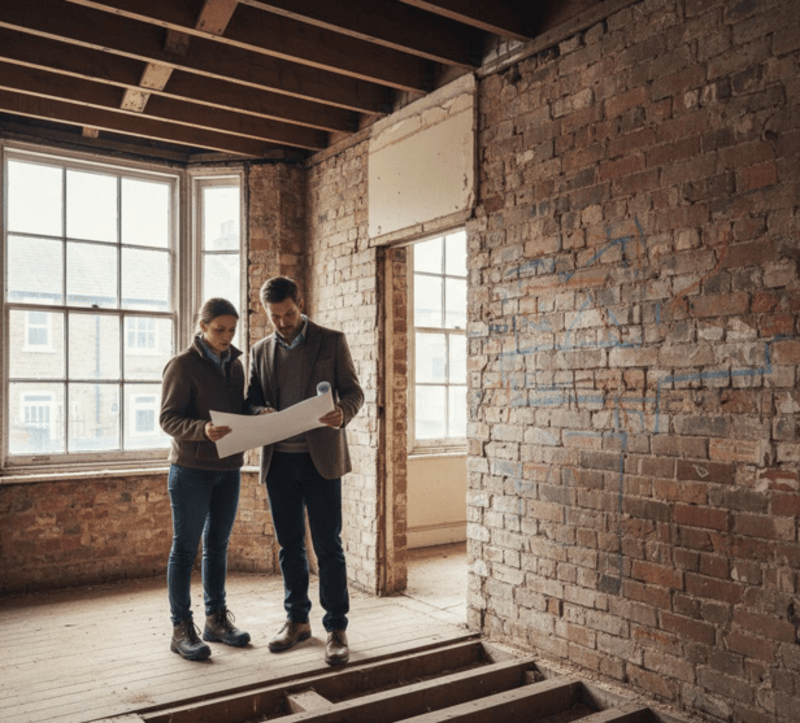
Investing in a fixer-upper attracts homebuyers who want to maximise a property’s value through renovation. These properties often have lower purchase prices and good resale potential, making them attractive at first.
Recent data illustrates that homeowners in the UK now spend a median of £21,440 on renovations. This is a 26% increase. Once work starts, costs can rise fast. Often, issues that go beyond cosmetic upgrades appear late in the process and can strain budgets.
Concealed problems behind walls, under floors, or above ceilings often don’t show up during viewings. These issues usually lead to the highest renovation costs and delays.
At Hedge Road Real Estate, we help you identify value-adding opportunities with better insight before you make a purchase.
Understanding a property’s actual condition helps protect your returns and avoid costly surprises.
Here’s what to look for before you start your next renovation project.
Key Fixer-Upper Risks to Assess Before Renovation
Here are some key fixer-upper risks to assess before renovation:
-
Structural Movement and Foundation Issues
Older homes, mainly those built before the Victorian era, often have structural issues. Problems like sinking, rising, and settling can cause cracks in walls, uneven floors, and possibly unstable foundations. While some movement is normal in older houses, it’s essential to assess the extent of the damage before buying.
Visible cracks or slanted floors can be big warning signs. However, even minor issues, like doors that don’t close properly or windows that seem misaligned, can point to bigger problems.
A detailed inspection is crucial, and sometimes you may need soil tests or foundation assessments to determine the extent of the damage and the costs to repair the home’s structure.
-
Roofing Defects and Water Ingress
Roofing problems, like missing tiles, worn-out flashing, or poorly installed gutters, are common in older buildings. Leaks can cause water to enter the home, quickly damaging ceilings, walls, and floors. If left unaddressed, water damage can lead to serious mould growth and decay, especially in homes with wood frames.
Before buying a renovation property, it is essential to check the roof’s condition. If you see signs of water damage inside, the problem might be serious. Be prepared for costs associated with a complete roof replacement or repair, especially in buildings with steep roofs or unique features that require specialised materials.
-
Outdated Electrical and Plumbing Systems
Many older buildings do not meet current safety standards or building regulations. This creates compliance risks that can be discovered during inspections. Wiring that hasn’t been updated since the 1960s or 1970s can be a fire hazard, and outdated plumbing can lead to leaks and water damage.
In 2025, the UK Government strengthened electrical safety standards. Studies have shown that rented homes must have electrical inspections at least every five years. For investors, this shows how usually outdated systems require upgrades before selling or renting.
Electrical and plumbing problems often surface late in the buying process, or once work begins. This can increase renovation costs and extend timelines.
To make sure safety and compliance, a qualified electrician and plumber should inspect these systems. Early assessments help investors price upgrades correctly and avoid unexpected compliance costs.
-
Damp, Ventilation, and Insulation Problems
Moisture and poor airflow are common problems in older buildings, particularly those without modern insulation. These problems usually indicate larger issues with the fabric, not just minor surface defects.
Rising damp and penetrating damp can show up as peeling wallpaper, wet patches, or persistent smells. Over time, they can compromise insulation, lower energy efficiency, and increase running costs.
For investors, unresolved damp and ventilation problems often lead to repeated work, delays in project completion, and lower returns, especially when properties fail to meet modern energy standards.
For a clearer breakdown of damp proofing methods and where they apply, this practical damp proofing guide outlines common solutions used in UK properties.
-
Legacy Building Materials in Older Properties
Investors looking to buy an older property for refurbishment should be aware of the risks associated with old building materials, mainly asbestos. Although the use of asbestos was banned in 1999, it is still often found in buildings built before 2000, especially in:
- Insulation
- Roofing
- Pipe insulation
While the health risks of asbestos are well-known, the financial and compliance issues can be more pressing for property investors.
Removing asbestos can be expensive, particularly if it’s found after renovation work has begun. Unexpected removal can delay projects and reduce profits, as cleanup can be costly and require specialised contractors.
For older properties, early inspection of legacy building materials can prevent expensive surprises during refurbishment, with specialist firms like Advance Asbestos Removal supporting buyers in managing these risks before work begins.
-
Planning Restrictions and Conservations Constraints
Many older properties are in conservation areas or listed buildings, which means they’re subject to planning restrictions. You might not be able to make major renovations or changes without first getting approval.
Investors should navigate the planning process to ensure that any changes they want to make get approved, as this often takes longer than expected.
Conservation rules may require specific materials or unique restoration techniques, leading to higher costs and more complicated timelines. Before investing in a value-add property, it’s key to check with local planning authorities to understand any potential restrictions and how they might impact your renovation plans.
Conclusion
Investing in a renovation project can be rewarding, but success often hinges on what happens before the work starts. Structural damage, old systems, moisture problems, and outdated materials can decide whether a fixer-upper makes money or loses value.
Making well-informed decisions when buying a property protects your investment before renovations begin. By understanding the property’s actual condition early on, investors can reduce uncertainty, control costs, and avoid risks that could lower their expected profits.